The Role of Discipline in Shaping Confident and Responsible Students
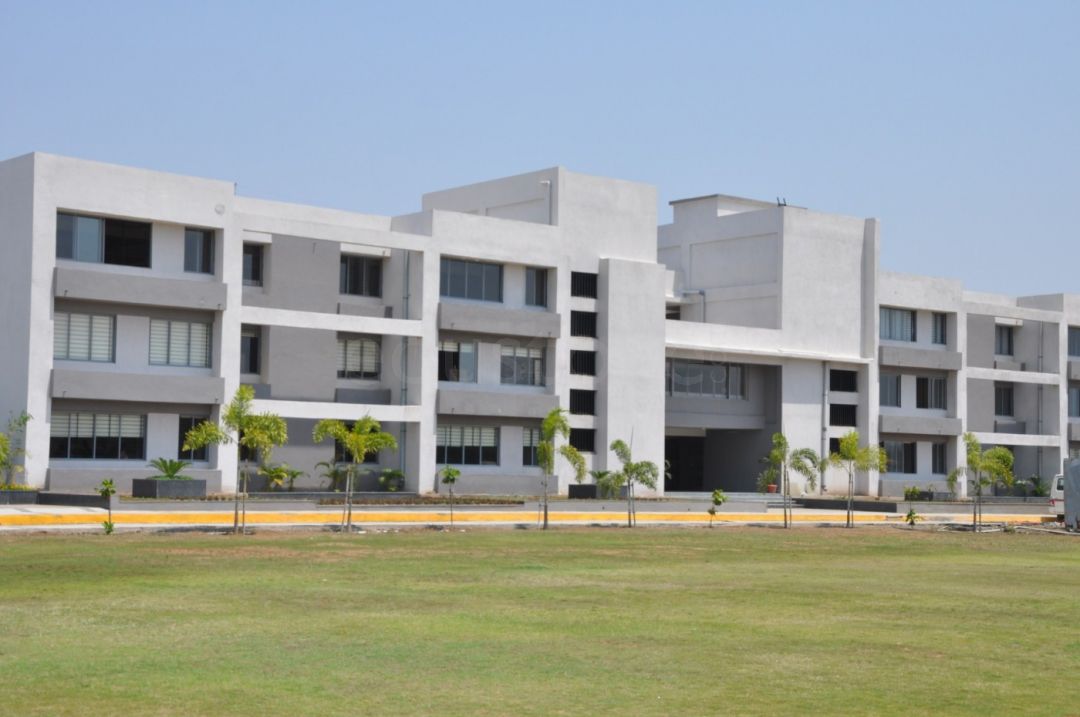
Residential Boarding School in Mumbai
Do you ever wonder what really shapes a child’s discipline beyond rules and reminders? Is it strict supervision, or what a student does when no one is watching? And as parents, how often do we worry about whether our children can manage themselves once no one is looking over their shoulders. Discussions about education often begin with marks, grades, and performance. Over time, though, parents and educators start thinking about something quieter but just as important. What happens when no one is constantly reminding a child what to do?
How do students handle themselves when supervision reduces and they are expected to take responsibility? The way they respond in these moments says a lot about the role discipline plays in education. This is especially noticeable in a Residential Boarding School in Mumbai, where learning and daily living sit side by side. Let’s see what role discipline and a structured environment play in the development of young mind.
How Daily Routines Shape Responsibility Over Time
We often forget that a simple schedule is one of the most effective ways to teach responsibility. In a boarding school, this doesn't just mean class timetables. It covers everything when they eat, when they study, when they exercise, and even when they relax.
These habits help students transition between activities smoothly and with ease. After a while, they stop being surprised by their to-do list and start expecting it. Instead of constantly rushing to catch up, they learn to plan, and the day feels a lot less chaotic.
What Accountability Teaches When Applied Consistently
Attendance, punctuality, and conduct systems are not only there to keep track of behaviour. Consistent application helps students understand the consequences of their choices over time. Regular attendance checks, for example, slowly change how students see the idea of being present. Coming to school stops feeling like something enforced and starts feeling like a responsibility they own.
A similar shift happens with behaviour. When expectations are applied fairly, students are more likely to pause and reflect on what went wrong instead of reacting out of fear. Mistakes are discussed, explained, and treated as learning moments, helping accountability grow without affecting confidence.
How Value-Based Education Gives Discipline Purpose
When discipline is based on ideals rather than just authority, it has a long-lasting effect. By ensuring that regulations are backed by awareness, value-based education at the Best Residential Boarding Schools in Surat or even Mumbai helps students make the connection between behaviour and values like responsibility, cooperation, honesty, and respect.
Everyday interactions, assemblies, group activities, and thoughtful conversations all serve to promote these principles. Students eventually internalise these concepts, allowing discipline to act as a form of self-control rather than external coercion. Behaviour becomes deliberate when values become ingrained. Because they are aware of the wider consequences of their activities, students behave responsibly, which boosts their confidence and character.
Conclusion
Discipline, when embedded thoughtfully within daily routines and value-based education, plays a defining role in shaping confident and responsible students. Its impact is gradual, often subtle, but deeply lasting.
At Viraj International School, one of the leading Residential Boarding Schools in Thane, discipline functions as a foundation for character development, supporting students as they grow into composed, capable individuals, prepared to meet academic responsibilities and life challenges with confidence and integrity.